You Didn’t Forget Because You Don’t Care
You knew the electricity bill was due on the 10th and meant to pay it on the way home. Then a meeting ran late, a message needed a reply, and by the time you remembered, the portal was closed.
The next month, a ₹450 late fee appeared on your statement.
If this sounds familiar, you may be paying what many people with ADHD call the ADHD tax: the steady, avoidable cost of late fees, overdraft charges, and penalties that come from forgetting things that matter.
The tax is not a sign of carelessness. It is a predictable result of working with a brain that struggles with time awareness, task switching, and remembering things that are out of sight.
What Is the ADHD Tax?
The ADHD tax describes the extra money and stress that attention-related challenges can cost over time. It usually shows up in small, repeated ways:
- Late fees on credit cards, utilities, phone plans, and subscriptions
- Overdraft charges when an auto-debit hits before you have topped up your account
- Reconnection fees after a service is suspended for non-payment
- Lost discounts from early-payment rewards that expired unnoticed
- Emergency purchases made to replace something that lapsed, like insurance or a prepaid plan
Each charge looks small on its own. A ₹300 fee here, a ₹600 overdraft there. Over a year, though, these penalties can quietly add up to thousands of rupees, money that could have gone toward savings, rent, or a goal you care about.
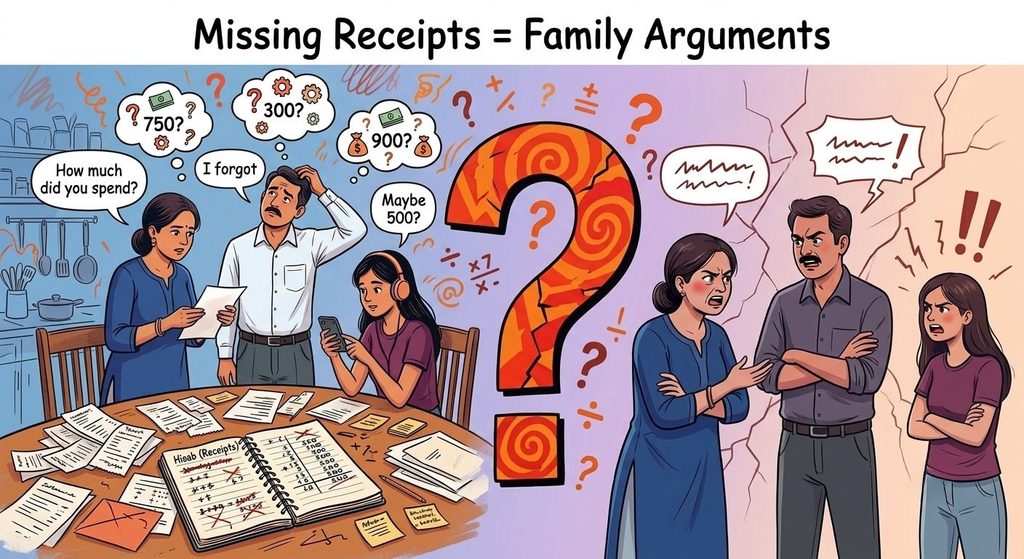
The real cost is often bigger than the fees. Each missed bill creates shame, and shame makes the next bill harder to face. Many people avoid opening their banking app at all, which makes the problem worse.
Why Standard Advice Often Fails
Most money advice says the same things: “Set a reminder,” “Make a spreadsheet,” or “Just be more disciplined.”
For many people with ADHD, these tips break down quickly:
- Phone reminders get dismissed. A single notification at 9 AM is easy to swipe away and forget by noon.
- Spreadsheets need maintenance. A system that depends on remembering to update it will eventually stop being updated.
- Willpower runs out. Telling yourself to “try harder” does not create a memory system.
What helps is a system that works for you: one that brings bills to you at the right moments, in a way you cannot easily ignore, without relying on memory.
Five Ways to Stop Paying the ADHD Tax
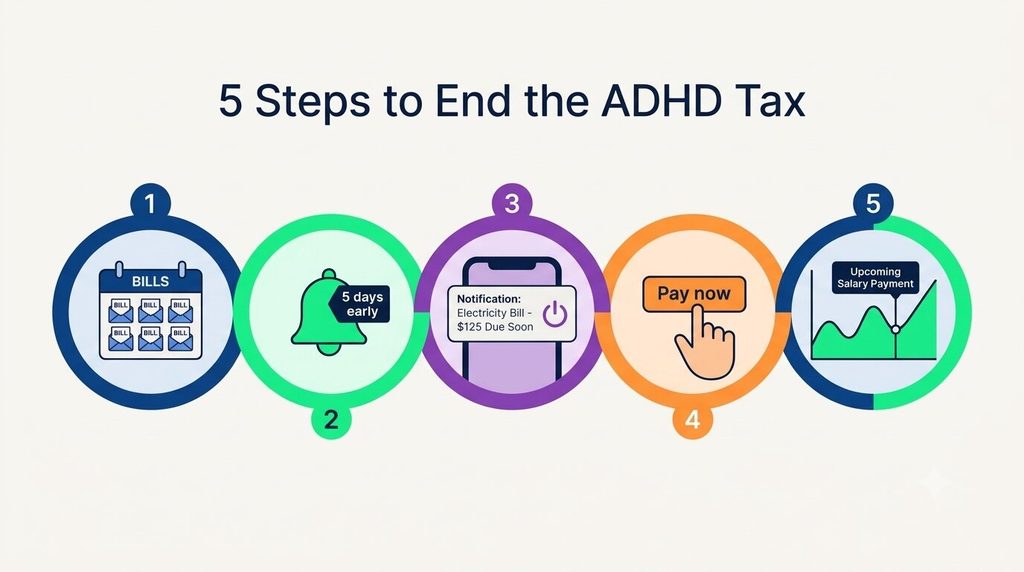
1. Put Every Bill in One Calendar
Scattered due dates are hard to track. Start by listing every recurring payment: credit cards, EMIs, electricity, water, gas, mobile recharge, insurance premiums, streaming subscriptions, and rent.
Once they are in one place, you can see the full picture. Many people discover subscriptions they forgot they had, which is a bonus.
2. Use Reminders Before the Due Date, Not on It
A reminder that arrives on the due date gives you no room to act. Set alerts several days ahead, such as 5 days, 2 days, and the morning of. Early nudges turn an urgent task into a manageable one.
3. Choose Push Notifications That Demand Attention
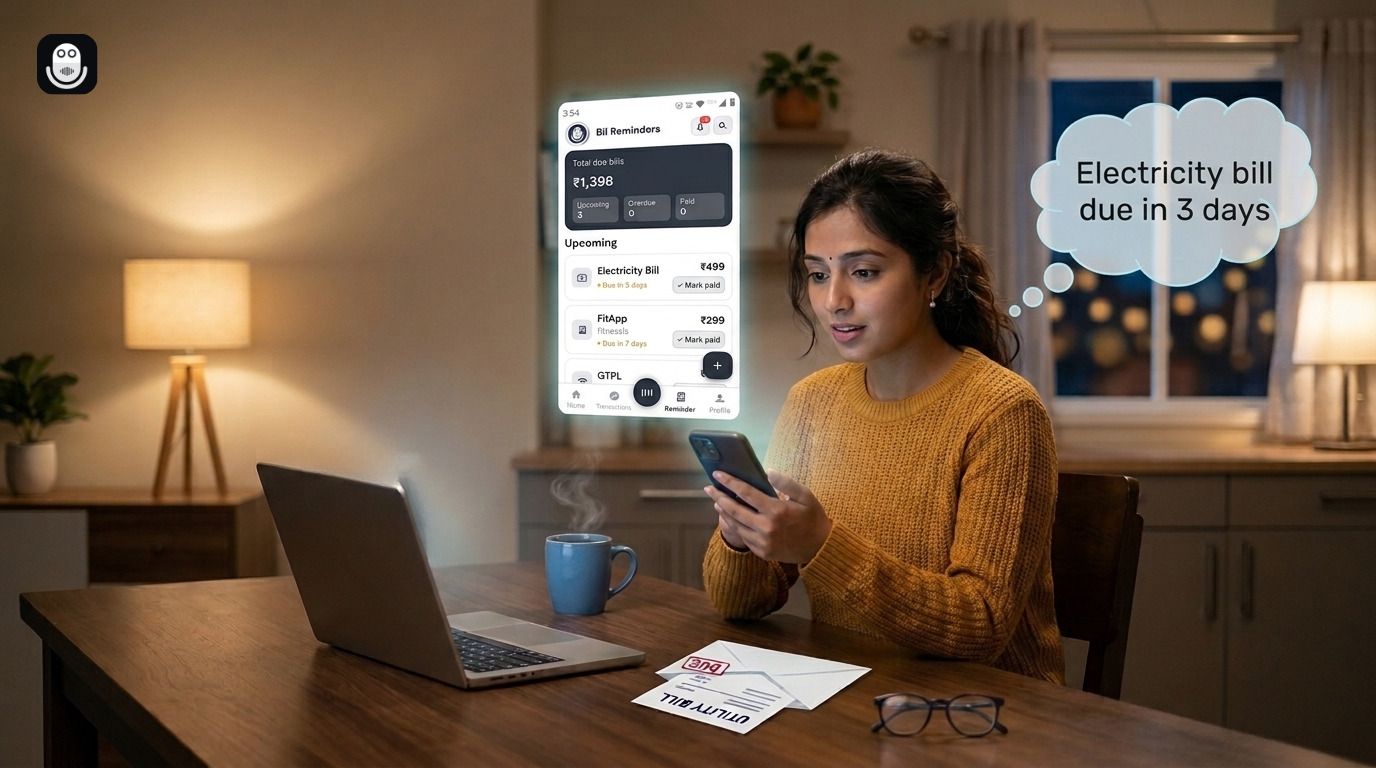
Not all alerts are equal. A proactive push notification that tells you exactly what is due, how much, and when is far more useful than a vague “You have bills” message. Specific information removes the mental work of figuring out what to do next.
4. Pay Immediately When You Can
Whenever you see a reminder and have the funds, pay on the spot. Waiting “until later” is the most common way a manageable bill becomes a late fee. Keep your payment method handy so that paying takes one tap.
5. Plan for Cash Flow, Not Just Due Dates
Some bills fail not because you forgot, but because the money was not there. Check upcoming bills against your income dates. If rent is due on the 1st and your salary arrives on the 3rd, a bill calendar will show the gap before it becomes an overdraft.
How Voxpense Acts as a Safeguard
Voxpense is built to reduce the mental load that causes the ADHD tax. Its bill calendar and proactive notifications work together so that you do not have to remember everything yourself.
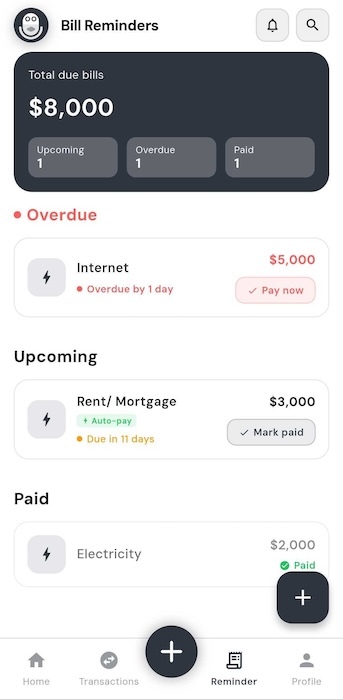
Automated bill calendar: Recurring bills appear in one view, sorted by due date, so you always know what is coming up this week and this month.
Proactive push notifications: You receive timely alerts before each deadline, with the bill name and amount included. The reminder tells you what to do, not just that something is due.
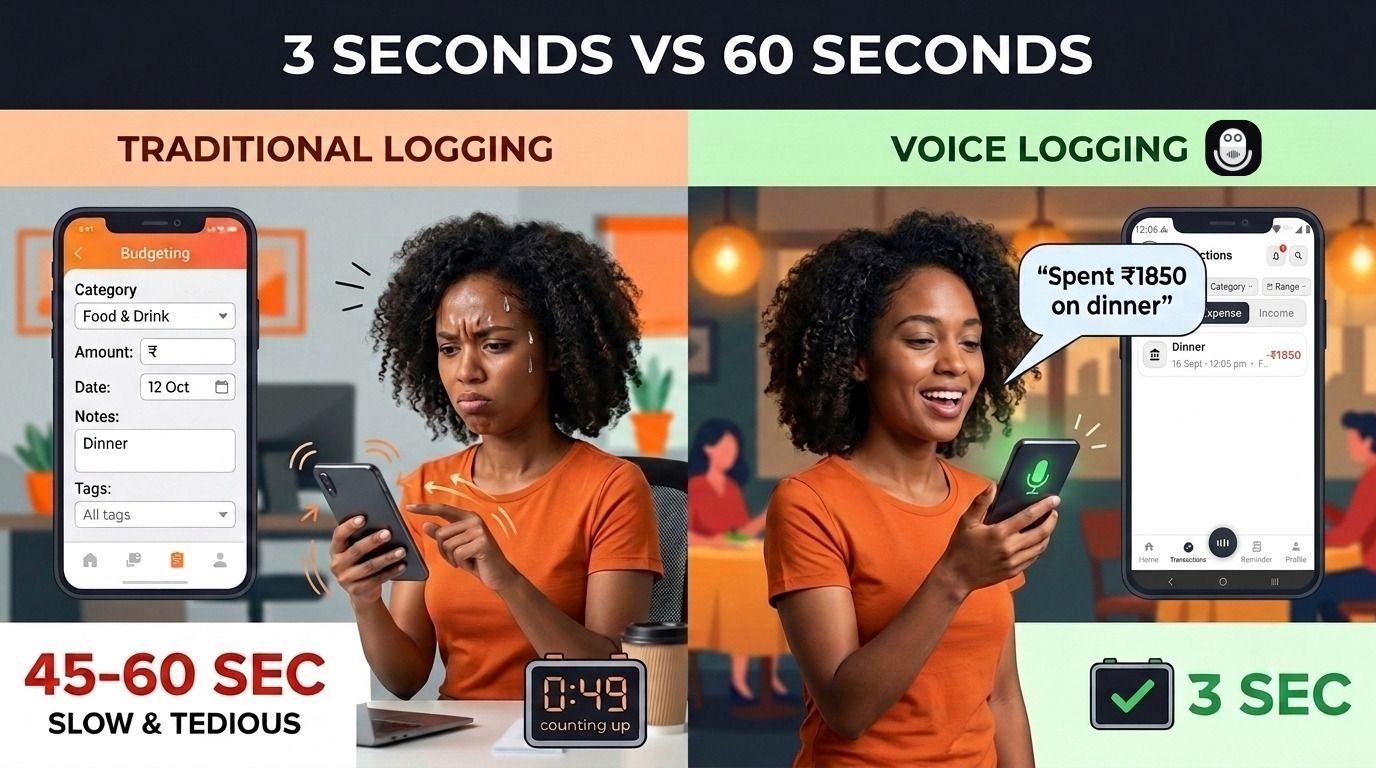
Voice-based updates: If you pay a bill in cash or through another app, you can log it by speaking. For example, say “Paid 2,000 electricity” and the record updates immediately, so your calendar stays accurate without extra typing.
Clear status tracking: Paid and unpaid bills are visible at a glance, which reduces the anxiety of wondering whether something was handled.
Think of Voxpense as a strict but supportive guardrail. It does not judge you for forgetting. It simply makes sure the reminder reaches you before the penalty does.
A Simple Setup You Can Finish Today
- Spend 15 minutes listing your recurring bills with amounts and due dates.
- Add them to Voxpense so they appear in your bill calendar.
- Turn on push notifications with reminders set 5 days and 2 days before each due date.
- Review your calendar every Sunday for five minutes to plan the week.
- Log payments immediately by voice or tap, so your records stay current.
After one month, most people find that the bills they used to dread have become routine.
Stop Paying for Forgetting
The ADHD tax is real, but it is not permanent. A good system can remove most of it.
Put your bills in one place. Get reminders before they are due. Pay the moment you can. Let your calendar carry the memory so you do not have to.
Every late fee you avoid is money you keep.
Ready to End Avoidable Late Fees?
Download Voxpense Free →
Set up your bill calendar in minutes, turn on proactive reminders, and stop losing money to forgetfulness.